Skip to content

Clear communicationFree inspections

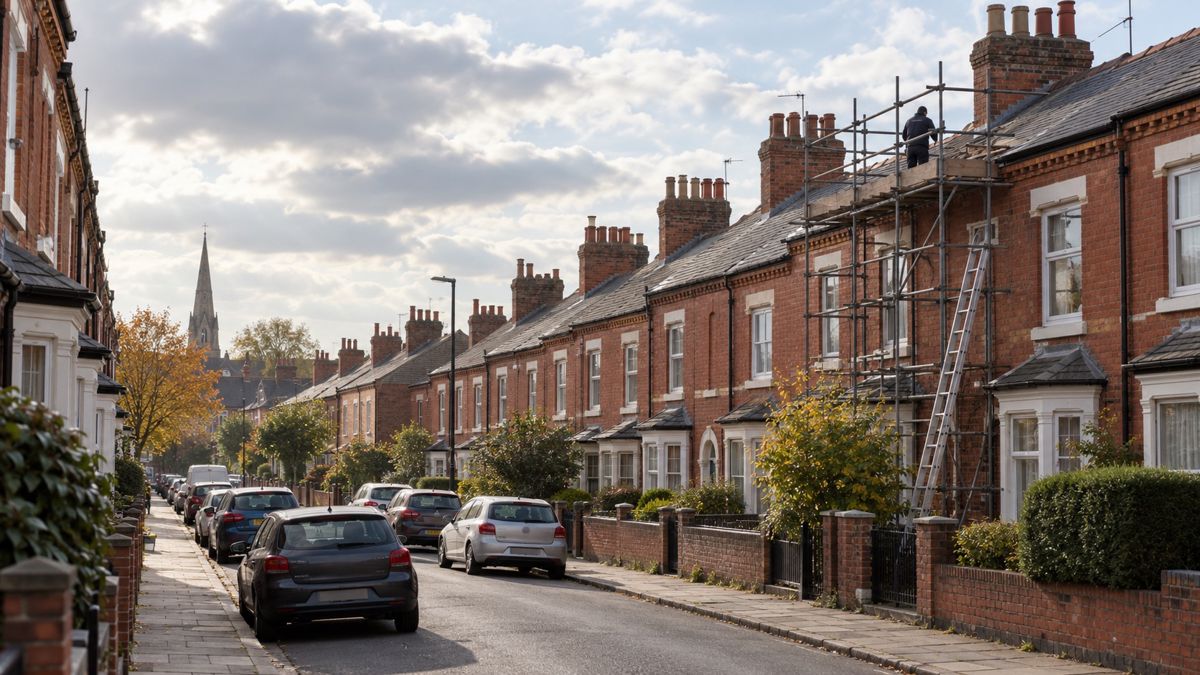
Terraced Leicester street with slate roofs and a roofer on scaffold

Older village roofs and slate repairs

Roofing in Glenfield, Leicestershire

Slate, tile and flat roof work for Glenfield homes and shops. Send a few photos with your request and we will confirm availability.

  • Tile, slate and flat roof work
  • Written quotes before work starts
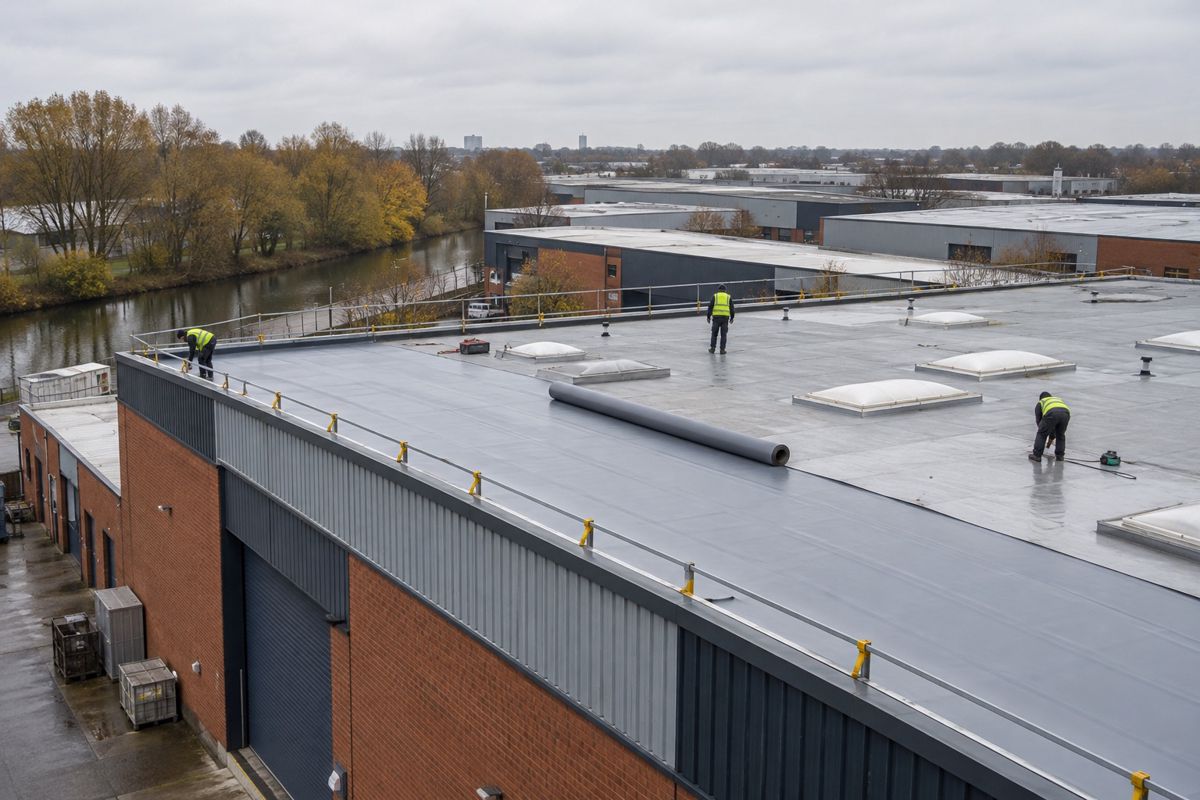
  • Homes and commercial buildings

Step 1 of 3

What do you need?

A village that has grown around its old core

Glenfield sits on the western edge of Leicester, with an older village centre and a much larger spread of later housing around it. In the older streets you may find brick cottages and Victorian houses with slate roofs. Further out, estates from the mid twentieth century onward have tiled roofs, bungalows and rows of semis.

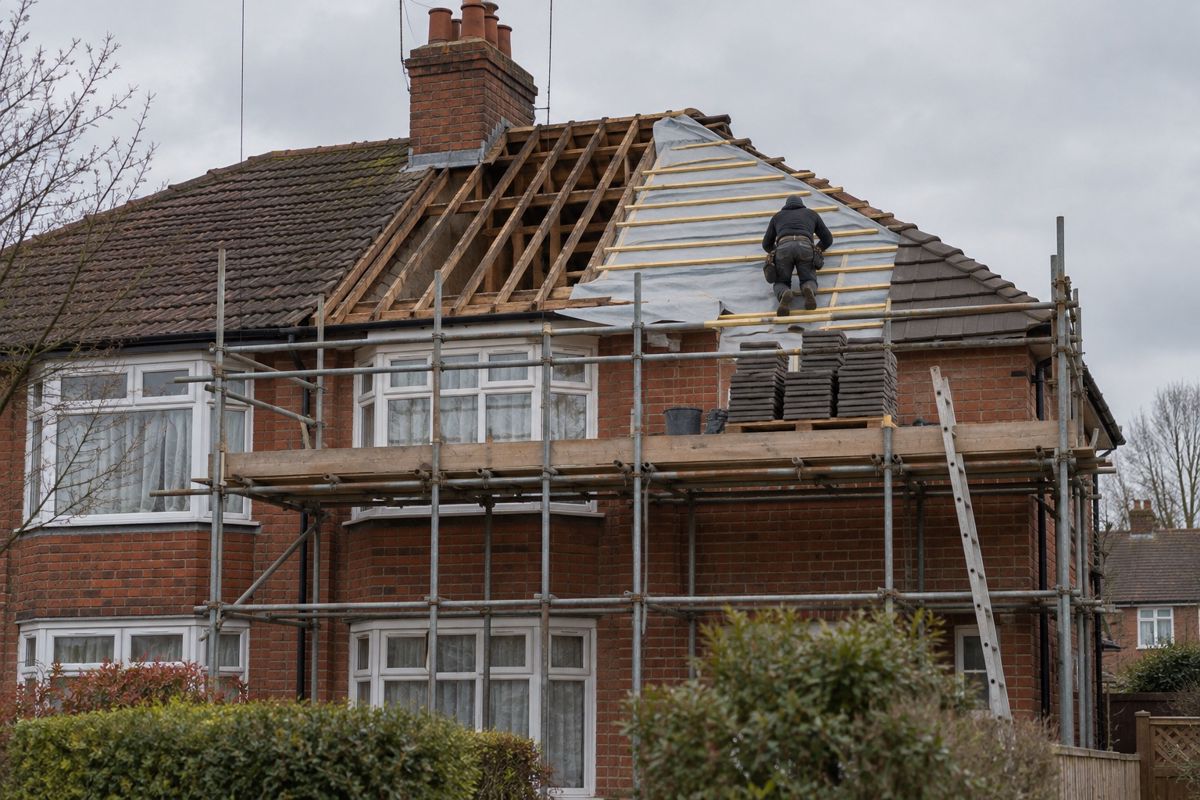
For roofers that means a real range of materials. Slate behaves differently from clay or concrete tile, and the repair methods differ too. Someone who works on the old village roofs needs to know how to lift and relay slates without breaking their neighbours, while estate roofs usually need attention to ridge mortar, felt and fascias.

Slate, nail sickness and the weight of age

Some older buildings in Leicestershire were roofed in local Swithland slate, a hard-wearing stone from nearby quarries that is no longer easy to source. If your roof is a mix of old, thick slates in varied sizes, it is worth telling us so repairs can reuse sound pieces carefully and avoid damaging the rest.

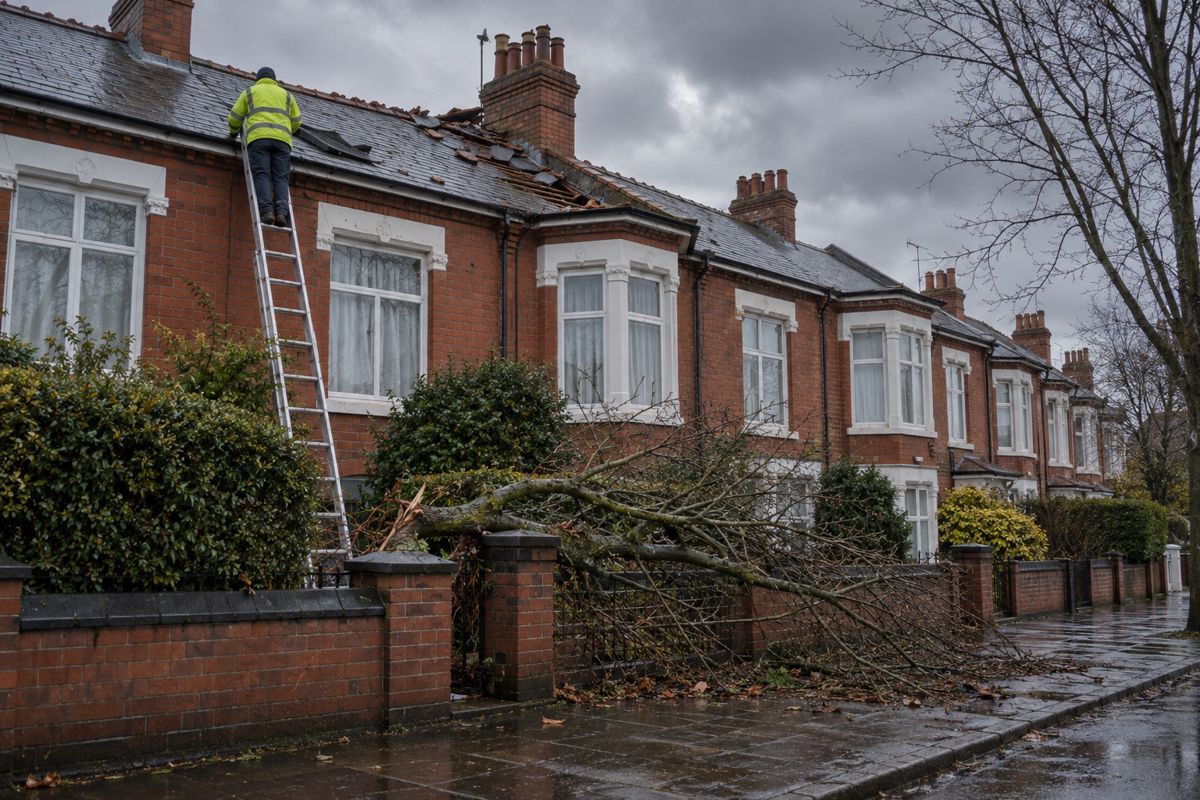
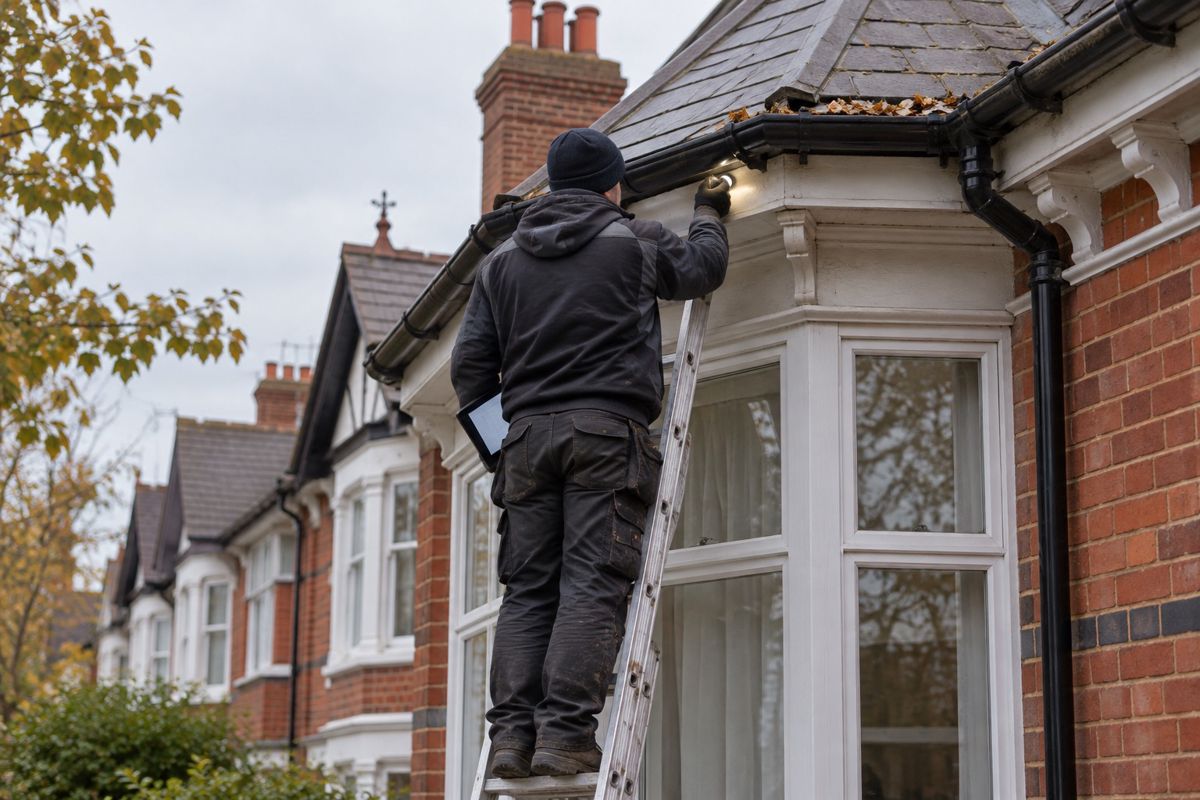
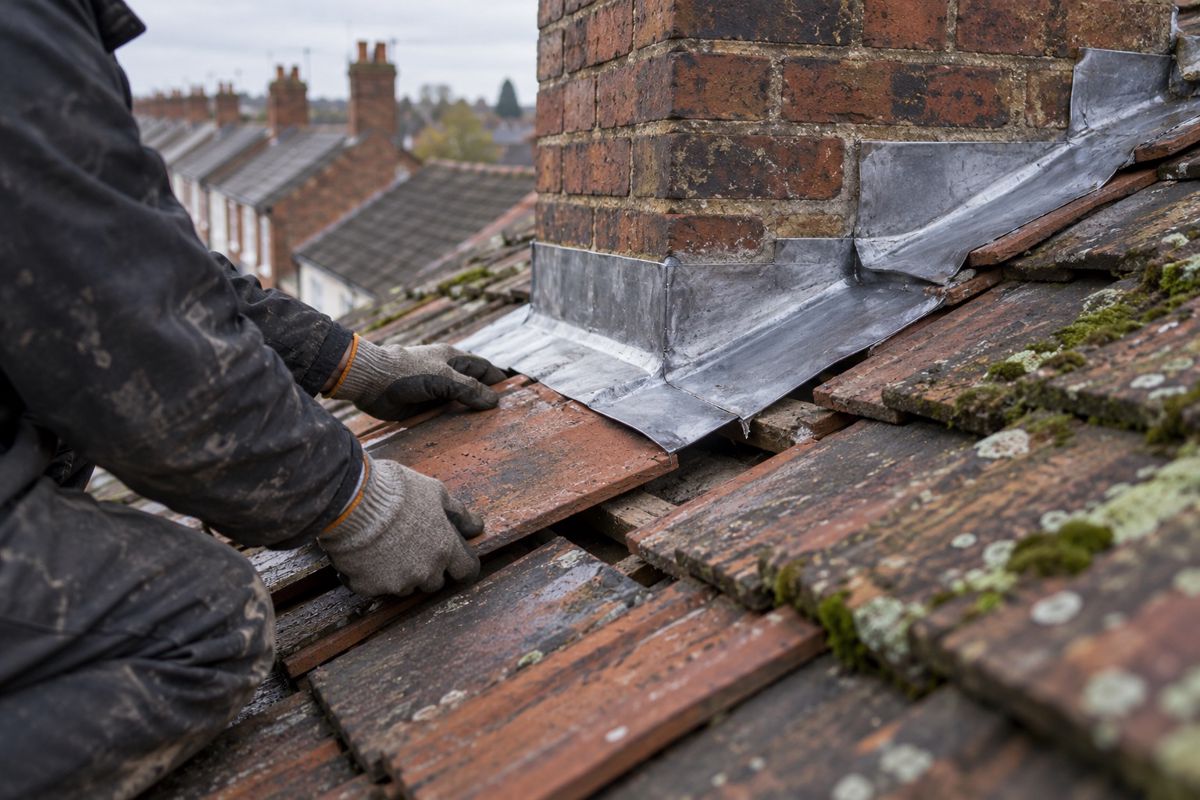
The usual ageing problem on old slate is nail sickness, where the fixings corrode and slates slide down. The roof may look fine until a windy night shifts several at once. Chimneys on older houses carry lead and mortar flashings that crack, and valleys fill with moss. With the A50 close by and housing of many ages, we often see several roof types in one street.
Roofing services for Glenfield properties

On older slate and newer tile alike, we offer each service on this site.

Natural slate that can be saved and relaid cuts material costs but adds careful labour. New concrete tile is generally cheaper to buy and quicker to lay. Clay tile and new natural slate cost more. The covering you pick affects weight, appearance and how long the roof is likely to last.

Underneath, the felt, battens and rafters decide how much extra work appears when the old roof comes off. Rotten battens or damaged timbers are replaced, and that is why a good quote includes a clear note about extras. Flashing materials, scaffold height and the number of chimneys and dormers also move the final figure.

Listed buildings, character and planning

Some of Glenfield's older buildings sit in conservation areas or have listed status. If so, a change of roofing material can need consent, and the council may want like-for-like replacement. Check before you order materials, particularly if you hope to swap slate for tile or the other way round.

For ordinary houses, a re-roof usually needs no planning permission but must meet the Building Regulations. Your roofer should explain how the work will comply with ventilation and insulation requirements. Neighbours should be told about scaffold and noise. If you share a roof with the house next door, tell us at the start so we can plan around it.

Getting a quote for a Glenfield roof

Use the form or call 0116 496 0168. We serve Glenfield from Leicester, so your request is how we confirm availability for your address.

  1. Say what the roof is made of, as far as you can tell.
  2. Describe slipped slates, stains, drips or sagging lines.
  3. Photograph the roof from the ground and the underside in the loft.
  4. We arrange a visit and examine the covering, flashings and timbers.
  5. A written quote follows, with repair and replacement options if both are reasonable.

Ask as many questions as you like before you decide.

Get a quote in Glenfield

Tell us what you need and we call you back.

No obligation.

Step 1 of 3

What do you need?

Questions about Glenfield

Can old slates be reused when re-roofing?

Often, yes, if they are sound. Good natural slate can be lifted, sorted and relaid on new felt and battens. Cracked or flaking pieces are replaced. Reusing slate keeps the look of an older house but takes careful labour. We assess a sample and tell you how much can be saved.

What is nail sickness and how do I spot it?

It means the fixings holding slates have rusted away. You may see slates slipping, gaps in the courses or slates lying in the gutter. The roof can look tidy until strong wind finds the weak nails. A short inspection from the loft and outside shows how widespread the problem is.

Does a village centre property need special permission to re-roof?

If the property is listed or in a conservation area, changes of material can need consent, and the council may require like-for-like. Ordinary houses often need no planning permission, though Building Regulations apply. Ask the council early and send us what they say.

My loft is cold and damp. Could the roof be to blame?

It might be, but condensation is more common. Poor ventilation, blocked eaves vents and warm moist air from the house can leave water on timbers and felt. A leak shows as a clear wet patch near a defect. We check both possibilities, because the fix is different for each.

How long does a typical re-roof take?

A standard semi is often completed in about a week in good weather, though it depends on size, shape and weather. Scaffold goes up first and comes down last. Hidden timber repairs or rain delays can extend the programme. We give a realistic estimate in the quote and keep you updated.

Ready when you are

Call now or request a quote online.

0116 496 0168